Peace on the horizon? 'Best hope' for Northern Ireland debated
Written weeks before the May 1998 referendums, this guide set out what the Good Friday Agreement promised and what Belfast people expected of it.
As printed in the Celtic Mirror, May 1998
After nearly 30 tumultuous years in which more than 3,200 people have perished in political and sectarian violence, the war-ravaged Northeast of Ireland is poised to remove the gun from politics.
On April 10, which happened to be Good Friday on the Christian calendar, a historic document was endorsed by the eight parties negotiating at the Stormont peace talks.
The agreement, which has the potential to end the modern "troubles" and bring peace to the strife-ridden province, was announced in dramatic fashion some 17 hours after the imposed deadline for a deal had expired.
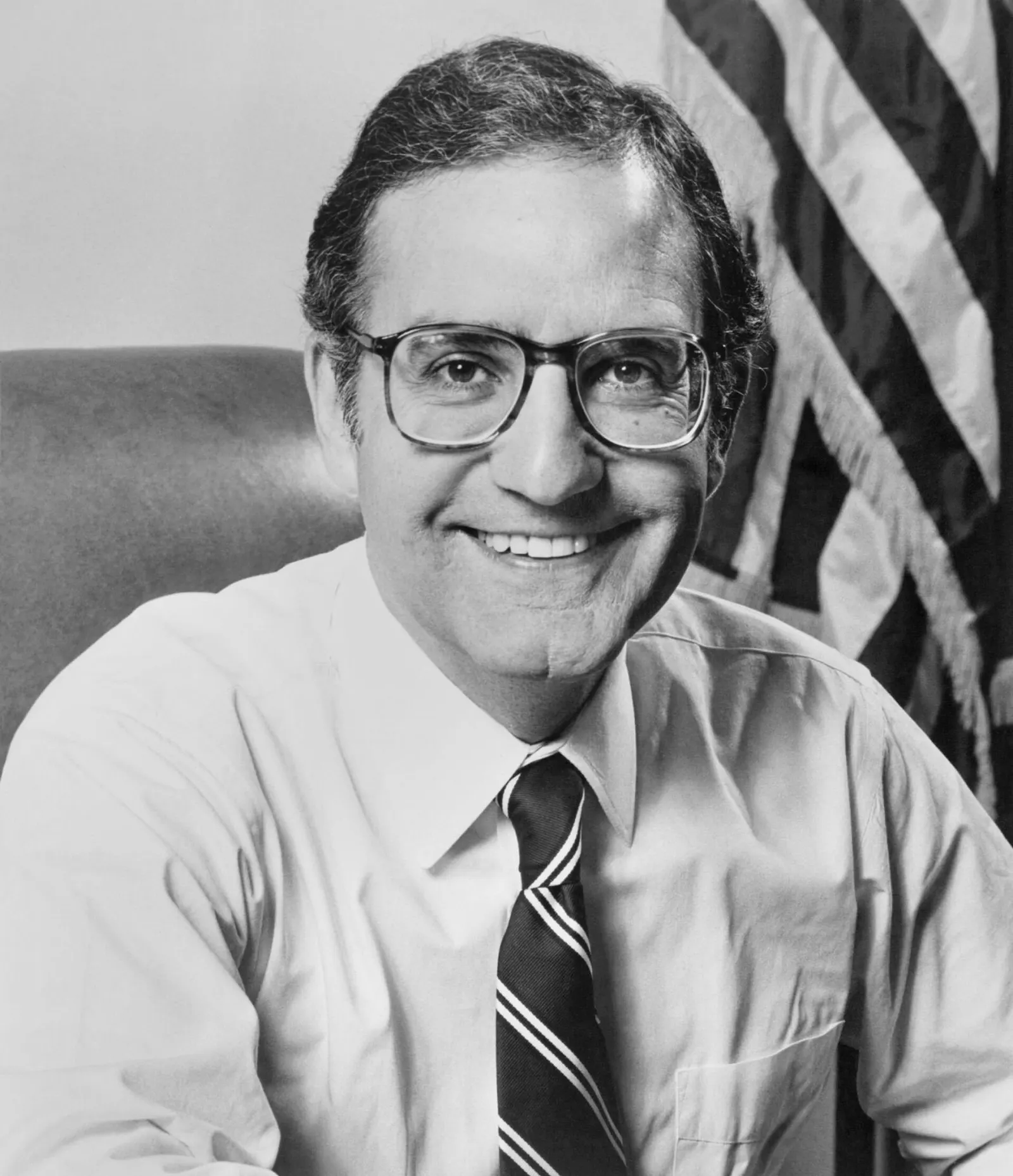
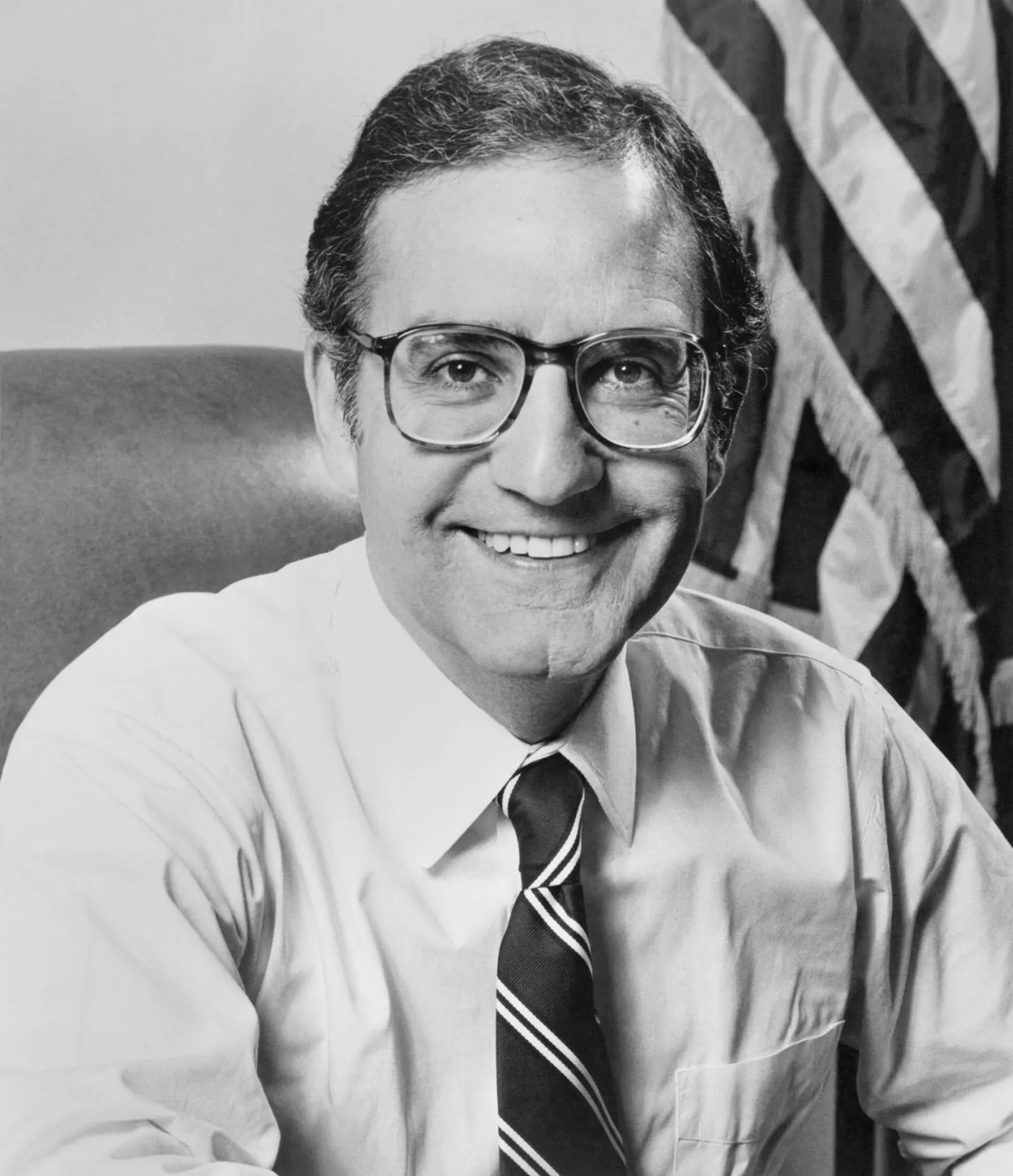
Former Senate majority leader George Mitchell, who chaired the talks and for 22 months steered the negotiations through many precarious moments, announced that an accord had been reached at 5:30 p.m. on that day.
Stating that it was now up to the people of Northern Ireland to decide whether or not there will be peace, Mitchell declared that a referendum vote will be held on May 22 allowing voters the opportunity to either accept or reject the pact. The vote will be held in Northern Ireland and the Republic of Ireland.
Observers, while heaping plaudits on Mitchell for his deft political mediation skills, claim that the genius of the agreement is in the way that both nationalists and unionists stand to reap substantial gain, while also requiring concession born of compromise.
If the accord passes in the referendum, it will mean broad, sweeping changes in the present governmental structure of Northern Ireland. (Specific details of the accord are discussed below.)
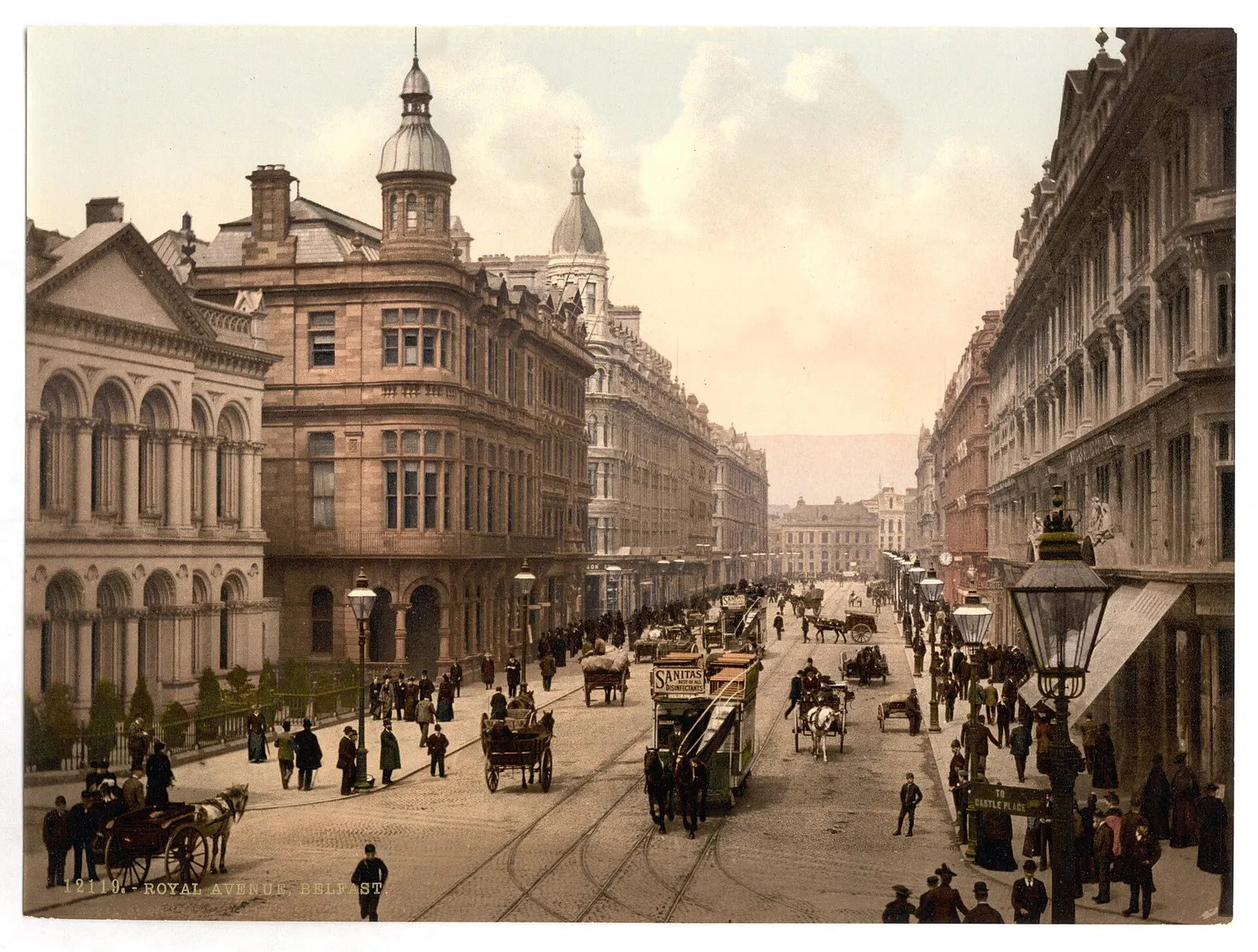
On the ground in Northern Ireland, the feeling is one of guarded optimism. Fiona McLauglin, a North Belfast resident who is Catholic, remarked that "we are all very hopeful that the agreement will pass ... but time will tell."
Martin, her husband of seven years, is more specific - addressing the fact that the collective community of the North must realize that the violence must cease: "The Good Friday agreement represents the first real chance in thirty years for peace. I think that people certainly know this. Of course, there are elements of the document which I may not agree with but as a whole I do believe it is fair in the fact that it provides us with the opportunity to decide our fate politically. And I do believe that the referendum will pass in the North and the Republic."
Likewise, the majority of the unionist community hope to see the referendum pass in May.
Kelley, a 29-year-old Protestant who hails from Sandy Row, expressed hope that a peace once deemed impossible will be realized in her lifetime: "Everyone has had enough of the killing. I know that my family has. I will say that I never thought that I'd live to see it ... but I believe that they [politicians] have done a commendable job. Sure we are apprehensive here, but I think that there is just enough in the agreement for everybody to make it work."
Civil Rights: In the proposed new government, an equality commission and human rights commission will be implemented to ensure that the nationalist community will not be subject to discrimination in employment.
The recognition of one's ethnicity, whether it be Irish, British, or Scotch, is implicit. Also, steps to foster the expression of the Gaelic language are to be implemented by the British government.
Consent Principle: For the present, Northern Ireland is to remain an integral part of the United Kingdom. However, given the possibility that in the future - by majority consent - the people in Northern Ireland may desire to unite with the Irish republic, it will be incumbent upon the British and Irish governments to ensure that it be so.
On balance, this would seem to fulfill the long-standing republican demand for "self-determination."
New Northern Ireland Assembly: A 108-member assembly will be elected to serve as the cornerstone for the new government. The sitting council will be elected by proportional representation.
There is a strong possibility that the assembly will be led by David Trimble, with John Hume acting as first deputy.
Ministerial Council: Drawn from the Irish parliament and the new assembly, a North-South council will be established. Common issues such as tourism, fishing, agriculture and transportation will be considered.
Decommissioning of Weapons: Within a two-year time frame, the paramilitary groups will be required to relinquish their weapons.
Also, the British government is to commit to the reduction of Army personnel in Northern Ireland.
Release of Prisoners: Political prisoners from both communities are to be released by the summer of 1999.
Police Reorganization: An independent commission will recommend the most practical and efficient way to reorganize the Royal Ulster Constabulary. Any such recommendation will then be considered by the Irish and British governments, and also by the respective political parties.
Articles Two and Three of the Irish Constitution, and the Government of Ireland Act: Dublin will agree to amend Articles Two and Three of the Irish Constitution, which lay claim to Northern Ireland as an integral part of the Irish republic.
A less-publicized aspect of the accord is that the British will also rescind the Government of Ireland Act, in which London claims to have jurisdiction over all of Ireland.
How the promises played out
Martin from North Belfast called it right. On 22 May 1998 the Agreement passed on both sides of the border: 71.1 percent voted yes in Northern Ireland on a turnout of 81 percent, and 94.4 percent backed the matching constitutional amendment in the Republic, where turnout was 56 percent.
The article's guess about the leadership was half right. David Trimble was elected First Minister on 1 July 1998, but the deputy was Seamus Mallon of the SDLP, not John Hume. Hume and Trimble shared the Nobel Peace Prize that autumn. Power was formally devolved on 2 December 1999, and on the same day Taoiseach Bertie Ahern signed the declaration that rewrote Articles 2 and 3 of the Irish Constitution.
Some timetables slipped badly. Prisoner releases ran roughly to plan: 428 had been freed by 28 July 2000. Decommissioning did not. The two-year window became seven. The IRA declared an end to its armed campaign on 28 July 2005, and its arsenal was certified as put beyond use that September. The UVF followed in June 2009 and the UDA in January 2010.
Policing changed more than the 1998 text hinted. The Patten commission reported in September 1999, and on 4 November 2001 the Royal Ulster Constabulary became the Police Service of Northern Ireland.
The Assembly itself has been a stop-start affair, suspended and restored several times. Its oddest chapter came on 8 May 2007, when Ian Paisley, whose party had campaigned against the Agreement, took office as First Minister with Sinn Féin's Martin McGuinness as his deputy. Kelley from Sandy Row thought there was just enough in the deal for everybody. Twenty-eight years on, that still reads like the most accurate line in the piece.
Questions readers ask
What were the results of the Good Friday Agreement referendum?
Both referendums were held on 22 May 1998. In Northern Ireland 71.1 percent voted in favour, with 676,966 yes votes on a turnout of about 81 percent. In the Republic of Ireland 94.4 percent approved the Nineteenth Amendment to the constitution, on a turnout of about 56 percent.
Who was the first First Minister of Northern Ireland?
David Trimble of the Ulster Unionist Party was elected First Minister on 1 July 1998, with Seamus Mallon of the SDLP as Deputy First Minister. Full powers were devolved on 2 December 1999. Trimble shared the 1998 Nobel Peace Prize with John Hume and died on 25 July 2022.
When did the IRA decommission its weapons?
The Good Friday Agreement set a two-year target, but the process took far longer. The IRA formally ended its armed campaign on 28 July 2005, and completion of its decommissioning was announced on 26 September 2005. Loyalist groups followed later, the UVF in June 2009 and the UDA in January 2010.
When was the RUC replaced by the PSNI?
Under the Agreement an independent commission chaired by Chris Patten reviewed policing and reported in September 1999. Following its recommendations, the Royal Ulster Constabulary was renamed and reformed as the Police Service of Northern Ireland on 4 November 2001, a little over three years after the referendum approved the Agreement.