Money headed to Ireland, NI in support of peace process
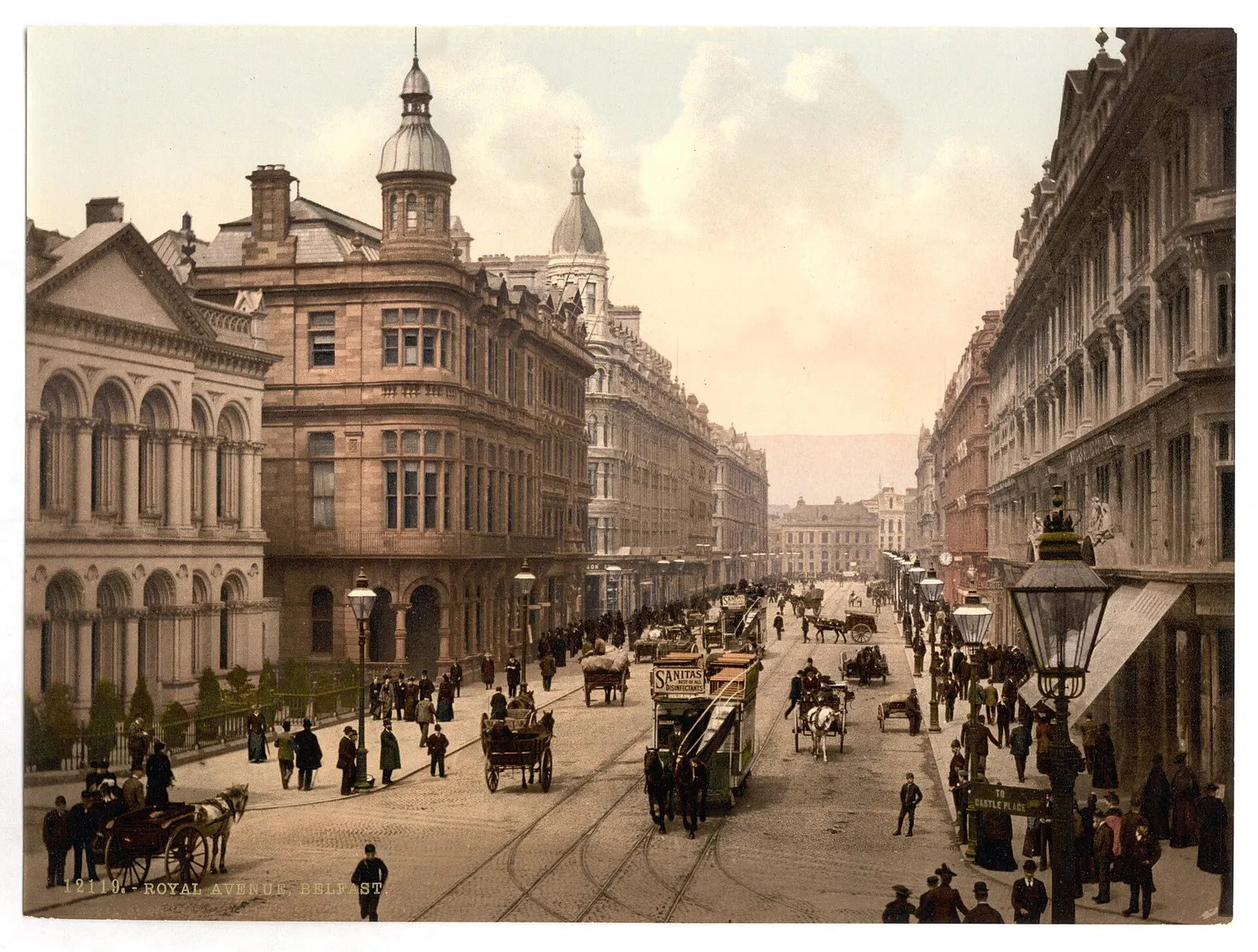
In the ceasefire year the Boston-based American Ireland Fund steered its grants north, from an $800 parents' centre to youth work in West Belfast.
As printed in the Celtic Mirror, September 1995
Northern Ireland will be the recipient of more than $400,000 in American Ireland Fund grant money this year in support of the peace process.
The AIF, headquartered in Boston, is a supporter of peace in Northern Ireland and sponsors cultural exchanges.
It recently named 59 individual projects in Ireland's northern counties that will receive funds.
The grants and amounts are diverse, ranging from $800 earmarked for the Belfast-based Parents' Advice Center, to a $20,000 grant targeted for the city of Derry's Inter-city Trust to use for a community revival program.
“Usually, two-thirds of the grant money is allocated to the South,” said Caitriona Fottrell, AIF Director of Development.
However, with the latest round of grants, the emphasis was focused on the northern counties in recognition and support of the peace process.
The AIF reaches people at the community level.
One of the projects underway is the Pop Bar Drop-in Center in West Belfast.
A recent press release described the community center as working with “kids that hate everybody. They hate the para-militaries, school, and their parents.”
“Our job,” said Betty Montgomery, Pop Bar manager, “is to motivate them and bring them back into the community.”
Counselors reach the young people through programs like cross-community weekend retreats for children from both unionist and nationalist working-class families.
“Not just taking them away for a weekend, but putting them together is what's important,” Fottrell said.
Other activities at the Pop Bar center include creative writing courses and private counseling sessions.
West Belfast is an area where walls separate the nationalist and unionist communities.
However, the organizers say the Pop Bar is open to all, in order to give the young people a chance to escape sectarianism.
The AIF promotes economic development, cultural renewal and programs designed to aid reconciliation between the nationalist and unionist in war-torn Northern Ireland.
Funds are raised through corporate donations, high-priced tickets for black-tie dinners, through international service organizations like United Way, and individual donations.
“We receive checks as small as $2,” Fottrell said. “People from all walks of life are our supporters.”
One of the organization's success stories is Lagan High School, Fottrell said.
Lagan pioneered a Protestant-Catholic integrated school system that has received $40,000 in AIF grants over the past decade.
“The Lagan project is working very well,” Fottrell said. “A lot of children now consider it natural and normal to go to school together.”
Where the money went next
A few corrections and a little background first. The 1995 page called the school “Langon High School.” It is Lagan College in Belfast, founded in 1981 as the first integrated school in Northern Ireland, set up by parents from the All Children Together movement who wanted Catholic and Protestant children taught in the same classrooms. We have fixed the spelling of the name and left the rest of the reporter's wording as it ran.
The fund itself was only eight years old under that name. It was formed on St. Patrick's Day 1987 at a White House ceremony, when The Ireland Fund, started in 1976 by the Heinz chief executive Tony O'Reilly and the Pittsburgh businessman Dan Rooney, merged with the American Irish Foundation. Today it trades as The Ireland Funds America, still based in Boston. With its sister chapters around the world it reports raising more than $750 million for over 3,000 Irish charities.
Integrated education grew from that single school, though slowly. By 1987 there were seven new integrated schools, and the Northern Ireland Council for Integrated Education was formed to support parents who wanted more. The Education Reform Order of 1989 gave the sector a legal footing and government funding. Lagan College now teaches around 1,480 students. The largest step came in 2022, when the Integrated Education Act, a private member's bill from Kellie Armstrong of the Alliance Party, completed its final stage in the Assembly on 9 March. The Democratic Unionist Party and the TUV tried to stop it with a petition of concern but fell short of the 30 signatures needed. In that debate the DUP's Diane Dodds spoke of the 93 percent of pupils who attend other schools, which gives a fair sense of how small the integrated sector still is.
We could not trace the Pop Bar Drop-in Center after 1995, or the Parents' Advice Center that received the smallest grant. If a reader knows what became of either, the archive desk would like to hear.
Questions readers ask
What was the first integrated school in Northern Ireland?
Lagan College in Belfast, founded in 1981, was the first integrated school in Northern Ireland, set up by parents in the All Children Together movement who wanted Catholic and Protestant children educated together. It is a grant-maintained integrated secondary school with around 1,480 students as of 2025.
What is the Integrated Education Act 2022?
The Integrated Education Act (Northern Ireland) 2022 began as a private member's bill from Kellie Armstrong of the Alliance Party. It completed its final stage in the Northern Ireland Assembly on 9 March 2022. The Democratic Unionist Party and the TUV signed a petition of concern against it but did not reach the 30 signatures required to block it.
Who founded The Ireland Funds?
Tony O'Reilly, the former Heinz chief executive, and Pittsburgh businessman Dan Rooney founded The Ireland Fund in 1976. On St. Patrick's Day 1987 it merged with the American Irish Foundation at a White House ceremony to form The American Ireland Fund, which now operates as The Ireland Funds America from Boston.
How much money have The Ireland Funds raised?
The Ireland Funds, working through 12 chapters around the world, report having raised more than $750 million for more than 3,000 Irish charities since 1976. In 1995, during the first IRA ceasefire, the American Ireland Fund directed more than $400,000 to 59 projects in Northern Ireland alone.