Dole should seek voters' endorsement not Thatcher's
Our September 1995 editorial warned Bob Dole that a nod from Margaret Thatcher was worth nothing in an American voting booth, and Irish-American votes were.
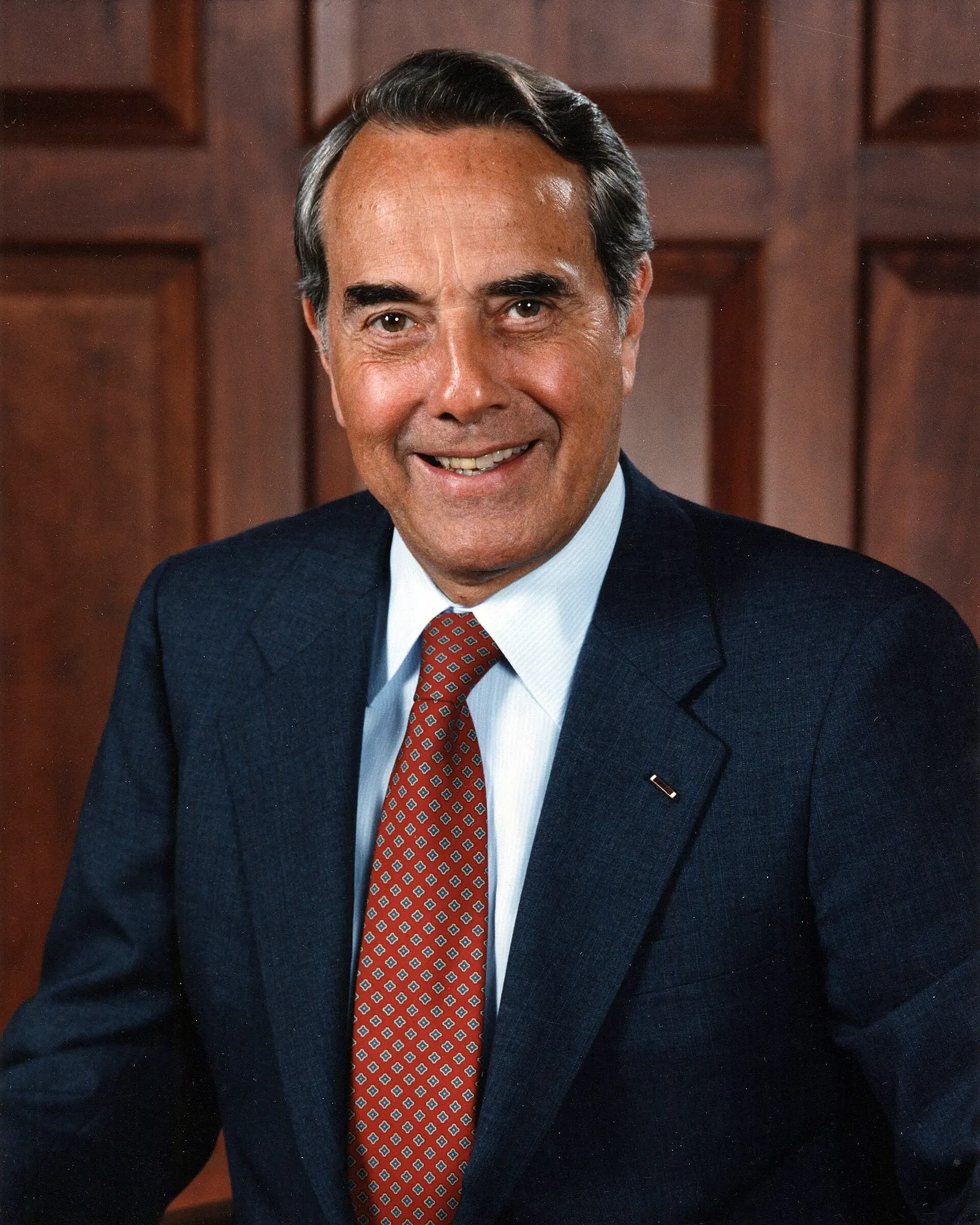
As printed in the Celtic Mirror, September 1995
Senator Bob Dole wants to be president of the United States.
He is without a doubt, at this time, the frontrunner for the Republican nomination, but whether or not he makes it into the White House remains to be seen.
Winning the Republican nomination and being elected president are two different matters.
Presidential elections have been close before, and as Thomas Dewey and Richard M. Nixon found out, it's not over until the last vote is counted.
The more than 40 million American-Irish voters in this country could mean the difference between victory and defeat. It would be too bad if Dole had to wait until then to find out he made a mistake.
Just because many American-Irish began voting Republican in the past several elections is no reason for Dole to become complacent and take those votes for granted.
The Irish have good, long memories and Dole's public acceptance of former British Prime Minister Margaret Thatcher's endorsement is a bitter pill for many Irish Americans to swallow.
It would seem that Dole needs some history and geography lessons.
The last time we checked, Great Britain was not in the United States, and according to the U.S. Constitution, neither Margaret Thatcher, nor any other British subject, can go into a voting booth here in the United States and pull a lever.
But the millions of American-Irish voters can, and it is those votes that will count in the end.
It isn't as though the American-Irish are asking Dole to do anything as drastic as changing political parties or even break off relations with Great Britain.
All we are asking is that he recognize and endorse the peace process, something he has, to date, refused to do.
The American Irish community has to send a wakeup call to Dole.
We have to let him know that he cannot continue to treat the peace process as a non-event and ignore the American-Irish voters.
Dole made a mistake. He has to admit that and must rectify it by endorsing the peace process and let Britain know that it must stop its delaying tactics and get on with the issues at hand: lasting peace in Northern Ireland.
Anything less is unacceptable.
How the vote went
The editorial got the first part right. Dole did win the Republican nomination. On June 11, 1996, he resigned from the Senate to campaign full time, saying he had "nowhere to go but the White House or home." On November 5 the answer was home. Bill Clinton took 49.2 percent of the popular vote and 379 electoral votes; Dole had 40.7 percent and 159; Ross Perot drew 8.4 percent and carried no states.
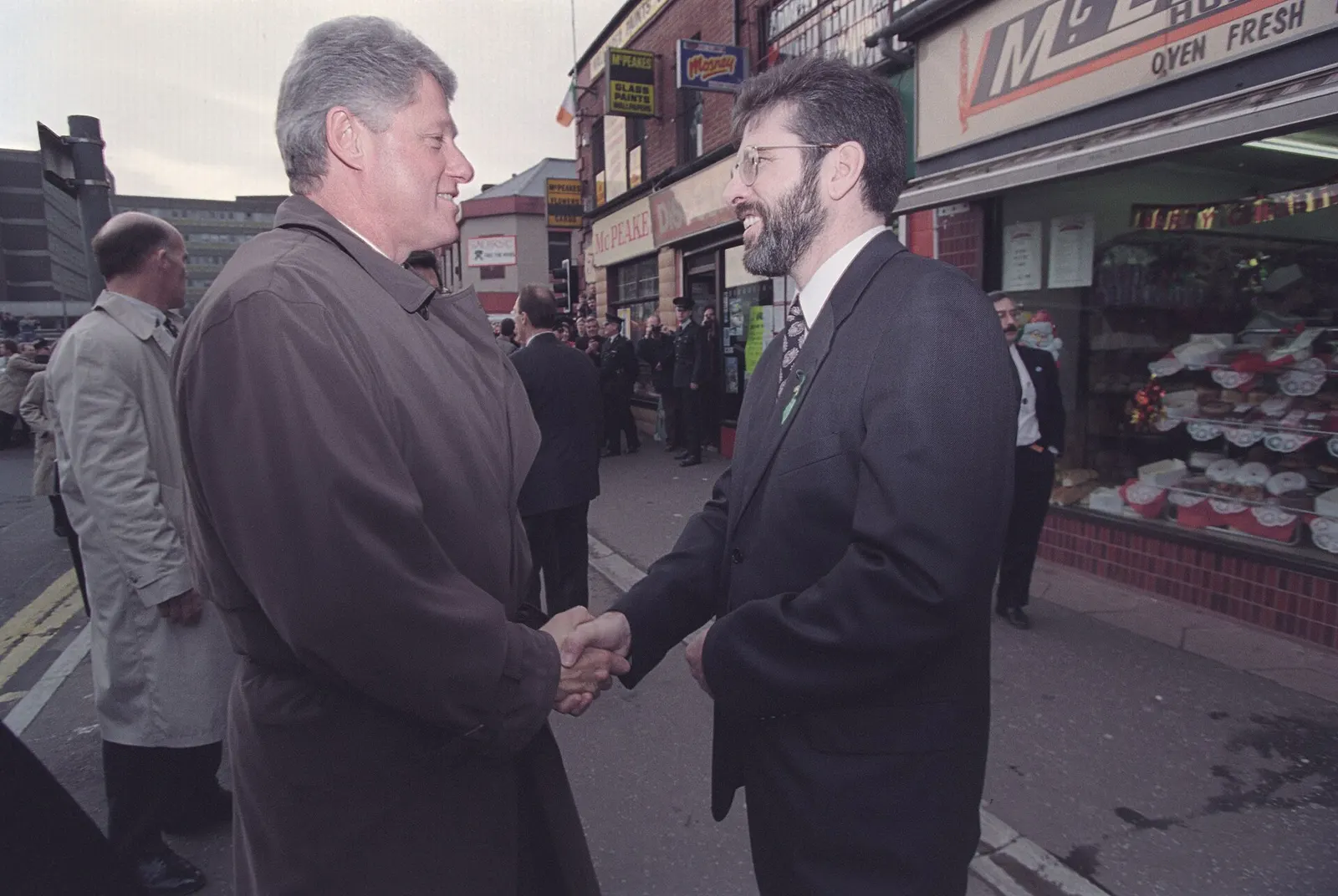
Whether Irish-American voters punished Dole for the Thatcher episode is a question this archive cannot settle, and we will not pretend to. What can be said is that Clinton had made Northern Ireland his own issue. Ten weeks after this editorial ran, on November 30, 1995, he stood in front of Belfast City Hall, spoke for the peace process and called the gunmen "yesterday's men." Two days earlier London and Dublin had announced a twin-track plan to move decommissioning and all-party talks forward in parallel, the very movement the editorial was asking for.
The road from there was not straight. The IRA ended its ceasefire with the Docklands bomb in February 1996 and restored it in July 1997. The Good Friday Agreement was signed on April 10, 1998, and approved by referendum on both sides of the border that May.
Dole's later years were kinder than the campaign. He worked with George McGovern on a school meals programme that won them both the 2008 World Food Prize, co-founded a scholarship fund for families of 9/11 victims with Clinton, his old opponent, and received the Presidential Medal of Freedom in 1997. He died in Washington on December 5, 2021, aged 98.
Questions readers ask
Why did Bob Dole lose the 1996 election?
Bob Dole lost to the incumbent Bill Clinton on November 5, 1996, in a three-way contest. Clinton won 49.2 percent of the popular vote and 379 electoral votes to Dole's 40.7 percent and 159. Ross Perot of the Reform Party took 8.4 percent but no electoral votes.
When did Bob Dole resign from the Senate?
Dole resigned his Senate seat on June 11, 1996, to campaign full time for the presidency after securing the Republican nomination. He said at the time that he had nowhere to go but the White House or home. Five months later, on November 5, he lost to Bill Clinton by 159 electoral votes to 379.
When did Bill Clinton visit Northern Ireland?
Clinton's first visit came on November 30, 1995, when he addressed a rally at Belfast City Hall and called paramilitaries "yesterday's men." The trip followed the November 28 announcement by the British and Irish governments of a twin-track approach, intended to move arms decommissioning and all-party negotiations forward at the same time.
When did Bob Dole die?
Bob Dole died on December 5, 2021, at his home in Washington, D.C., aged 98, after being diagnosed with stage four lung cancer earlier that year. In later life he co-founded the Families of Freedom scholarship fund with Bill Clinton and shared the 2008 World Food Prize with George McGovern for their school meals programme.