Turn an elegant meal into a weeknight treat with deli corned beef: A traditional dinner for 90's lifestyle
A 1995 kitchen page: Dijon-glazed corned beef with steamed cabbage and red potatoes, plus a horseradish butter sauce, for busy weeknights.
As printed in the Celtic Mirror, August 1995
Tender, flavorful corned beef is as much a part of Irish celebrations as the wearing of the green, and an easy-to-prepare traditional menu of Dijon-Glazed Corned Beef with Savory Cabbage And Red Potatoes brings out the Irish in all of us.
With today’s fast-paced lifestyles, even leprechauns can use a few shortcuts in the kitchen.
Thanks to convenient deli corned beef and a few quick, updated recipe ideas, corned beef travels beyond custom to the busy weeknight supper table.
Best of all, these flavorful recipes take 30 minutes or less to prepare, which is sure to keep Irish eyes smiling.
So, whether you prepare a succulent corned beef yourself or stop by the supermarket service deli on the way home from work, versatile corned beef fits into the 90s-style of living or whenever your family longs for a change in the mealtime routine.
Dijon-Glazed Corned Beef with Savory Cabbage and Red Potatoes
Total preparation and cooking time: approx. 2-3/4 to 3-3/4 hours
- 2-1/2 to 3-1/2 pound corned beef brisket
- Water
Dijon Glaze:
- 2 tablespoons honey
- 1 tablespoon frozen orange juice concentrate, defrosted
- 2 teaspoons Dijon-style mustard
1. Place corned beef brisket in Dutch oven; add water to cover. Cover tightly and simmer 2-1/2 to 3-1/2 hours or until tender.
2. Meanwhile, prepare Savory Cabbage and Red Potatoes.
3. Combine glaze ingredients; set aside. Remove brisket from cooking liquid; trim fat from outer surface of brisket, if necessary. Place brisket on rack in broiler pan so surface of meat is 3 to 4 inches from heat. In small bowl, combine glaze ingredients. Brush glaze over brisket; broil 2 to 3 minutes or until brisket is glazed.
4. Carve brisket diagonally across the grain into thin slices; serve with vegetables.
Savory Cabbage and Red Potatoes
- Water
- 1 small head cabbage (approx. 1-1/2 pounds), cut into 6 wedges
- 1 pound small red potatoes, quartered
Savory Sauce:
- 1/4 cup butter
- 2 tablespoons sliced green onions
- 2 to 3 teaspoons prepared horseradish
- 1/8 teaspoon salt
- 1/8 teaspoon pepper
1. In Dutch oven, place steamer basket in 1/2-inch water (water should not touch bottom of basket). Place cabbage and potatoes in basket. Cover tightly and heat to boiling; reduce heat. Steam 20 to 25 minutes or until tender.
2. Meanwhile in 1-cup glass measure, combine sauce ingredients; microwave on HIGH 45 seconds to 1 minute or until butter is melted. Drizzle over vegetables.
Serve with corned beef.
Makes 6 servings (serving size: 1/6 of recipes).
Editor’s Note: Look for additional ways to prepare Corned Beef and other recipes in future issues of An Scáthán.
A note from the kitchen desk
This page was a promotional recipe, and the arithmetic in it was always optimistic. A brisket that simmers for up to three and a half hours is not a 30-minute supper, which is presumably why the deli counter gets top billing. Buy the corned beef ready-cooked, warm it through, glaze and broil it, and the half hour is honest.
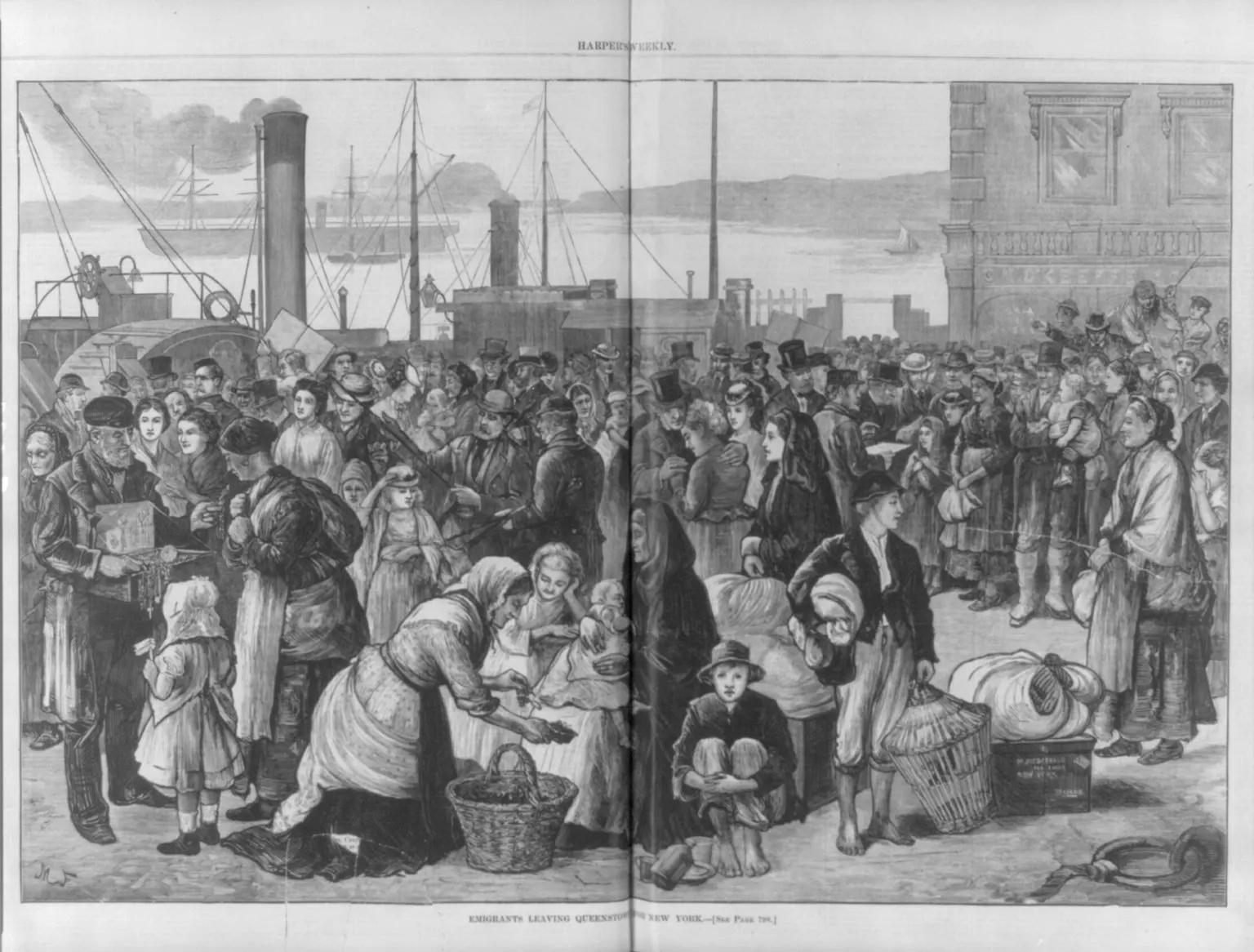
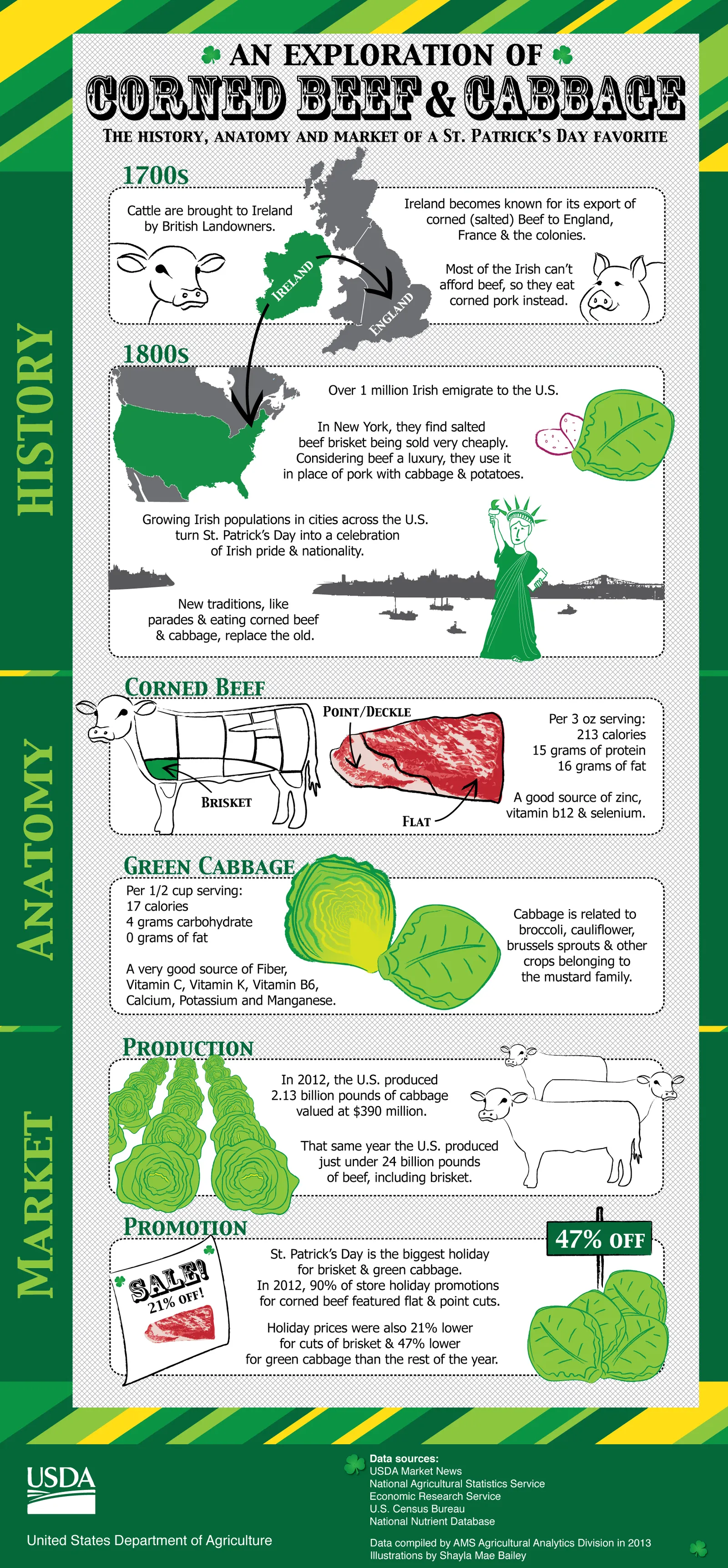
The heritage claim deserves a footnote too. Corned beef and cabbage is an Irish-American dish more than an Irish one. At home the standard was bacon and cabbage. Irish immigrants in the United States in the late nineteenth century swapped in corned beef, which had been a luxury in Ireland but was cheap and plentiful in American cities, and they often bought it from Jewish butchers who cured brisket the same way. Its link with St Patrick’s Day grew out of Irish-American celebrations, not Irish ones.
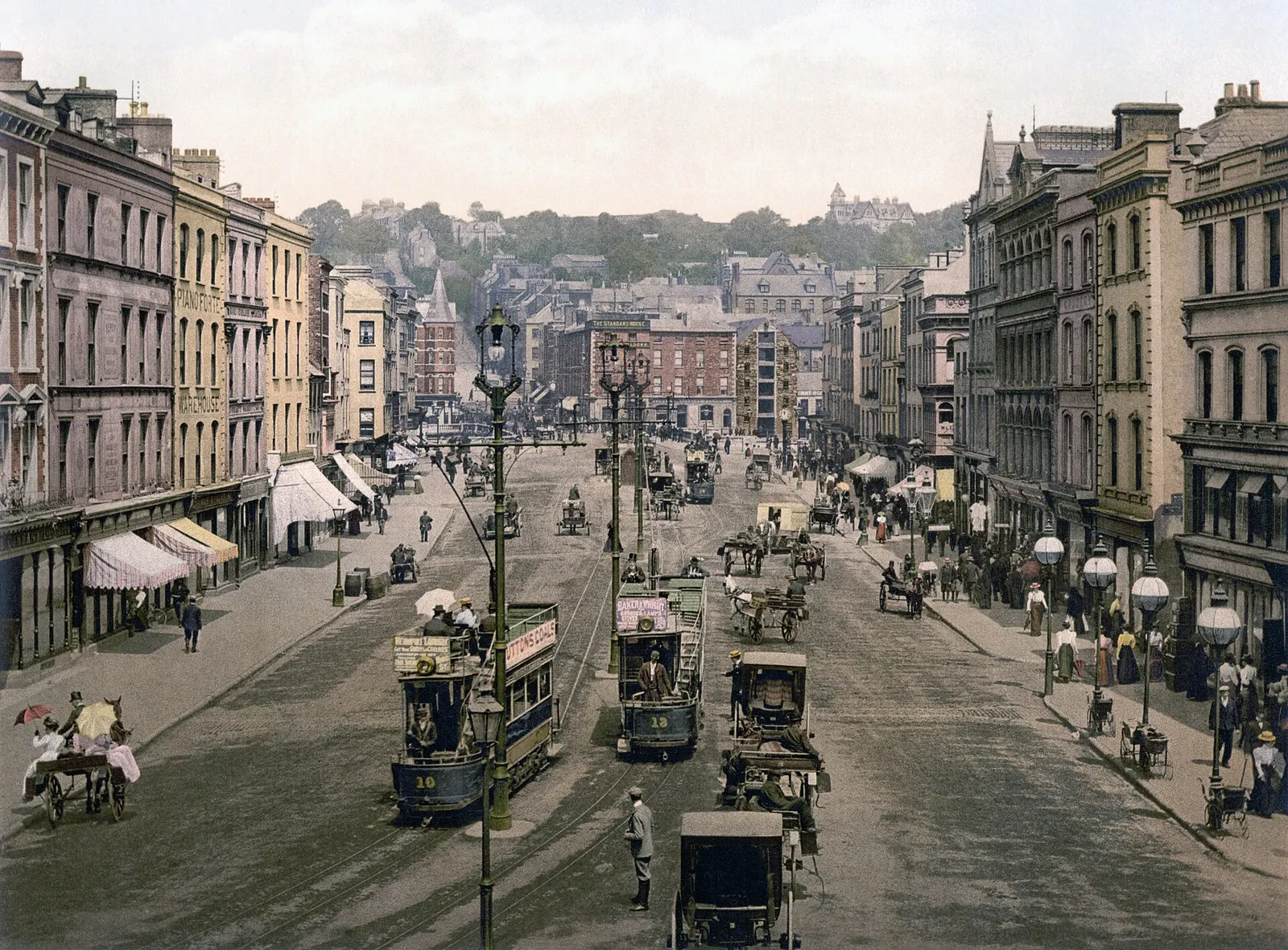
Ireland was still at the centre of the older story. In the seventeenth century Irish ports such as Dublin, Belfast and Cork ran large beef-curing and packing trades, salting local cattle with salt imported from Spain, Portugal and southern France, and Cork alone accounted for half of Ireland’s annual beef exports in 1668. Most of that went abroad. The tenant farmers who raised the cattle ate very little of it. Salted beef turns up much earlier still, as a prized delicacy in the twelfth-century Irish satire known as The Vision of MacConglinne.
The word itself has nothing to do with maize. The “corns” are the coarse grains of rock salt used for the cure.
Questions readers ask
Is corned beef and cabbage really Irish?
Corned beef and cabbage is mainly an Irish-American dish. In Ireland the traditional pairing was bacon and cabbage, because beef was expensive. Irish immigrants in late nineteenth-century America substituted corned beef, which was cheap there and often bought from Jewish butchers. The association with St Patrick’s Day comes from Irish-American celebrations rather than from Ireland itself.
Why is it called corned beef?
The name comes from the coarse, large-grained rock salt used to cure the meat. Those grains were called corns of salt, from an Old English word for any small, hard particle. It has no connection with maize. Sugar and spices are sometimes added to the brine, and outside North America the same product is often sold as salt beef.
How long do you simmer corned beef brisket?
This 1995 recipe simmers a 2-1/2 to 3-1/2 pound corned beef brisket, covered with water in a tightly lidded Dutch oven, for 2-1/2 to 3-1/2 hours until tender. The brisket is then trimmed, brushed with a glaze of honey, orange juice concentrate and Dijon-style mustard, and broiled 3 to 4 inches from the heat for 2 to 3 minutes.
Did Ireland export corned beef?
Ireland was a major producer of corned beef for the British Empire in the early modern period. Dublin, Belfast and Cork had large curing and packing industries using Irish cattle and salt imported from the Iberian Peninsula and southern France. Cork alone produced half of Ireland’s annual beef exports in 1668, though most ordinary Irish tenant farmers ate very little of it.