Prisoner release sparks riots in NI: Frustration spilled into the streets; Worst violence since cease-fire
The early release of Private Lee Clegg, jailed for killing a Belfast teenager, brought the worst rioting since the 1994 IRA ceasefire in July 1995.
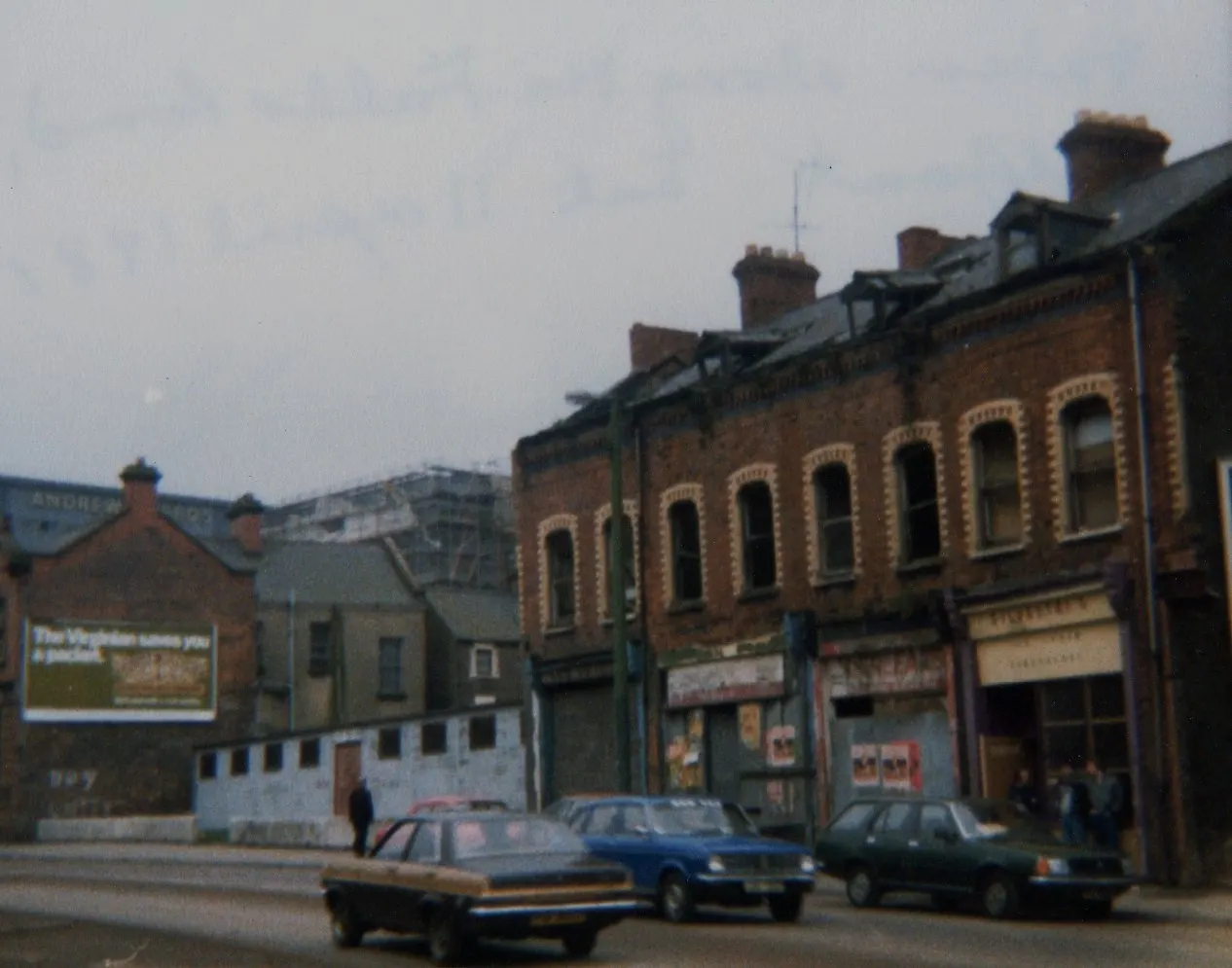
As printed in the Celtic Mirror, July 1995
BELFAST - The shaky peace process in Northern Ireland became more fragile earlier this month when both Nationalist and Loyalist factions took to the streets.
For Nationalists, the protests were to demonstrate the early release of a British paratrooper.
Loyalists celebrated Orangemen's Day on July 12, the commemoration of the victory at the River Boyne by the British king William of Orange.
Both sides filled the streets with rioting, the worst since last year's IRA cease fire.
The British government freed Paratrooper Lee Clegg, 26, after he served only two years of a life sentence for the killing of a Belfast teen-ager in 1990.
Karen Reilly, 17, was killed when an army patrol fired on a stolen car at a roadblock in west Belfast in September 1990. Reilly was a passenger in the car.
Clegg's release unleashed pent-up rage in Northern Ireland, where his 1993 conviction offered a rare instance when the British Army was held accountable for a killing.
Forensic experts said the soldiers fired 36 shots, 19 of which struck the car, killing Reilly and the driver, Martin Peake, also 17.
The soldiers said they feared the car was part of an IRA attack, but three courts ruled the soldiers were wrong to keep firing after the car had passed. They found that the bullet that killed Reilly came from Clegg's submachine gun.
Although British security forces killed about 350 people in Northern Ireland since 1969, Clegg was only the second convicted of murder.
The first soldier convicted was returned to duty after serving 2-1/2 years of a life sentence.
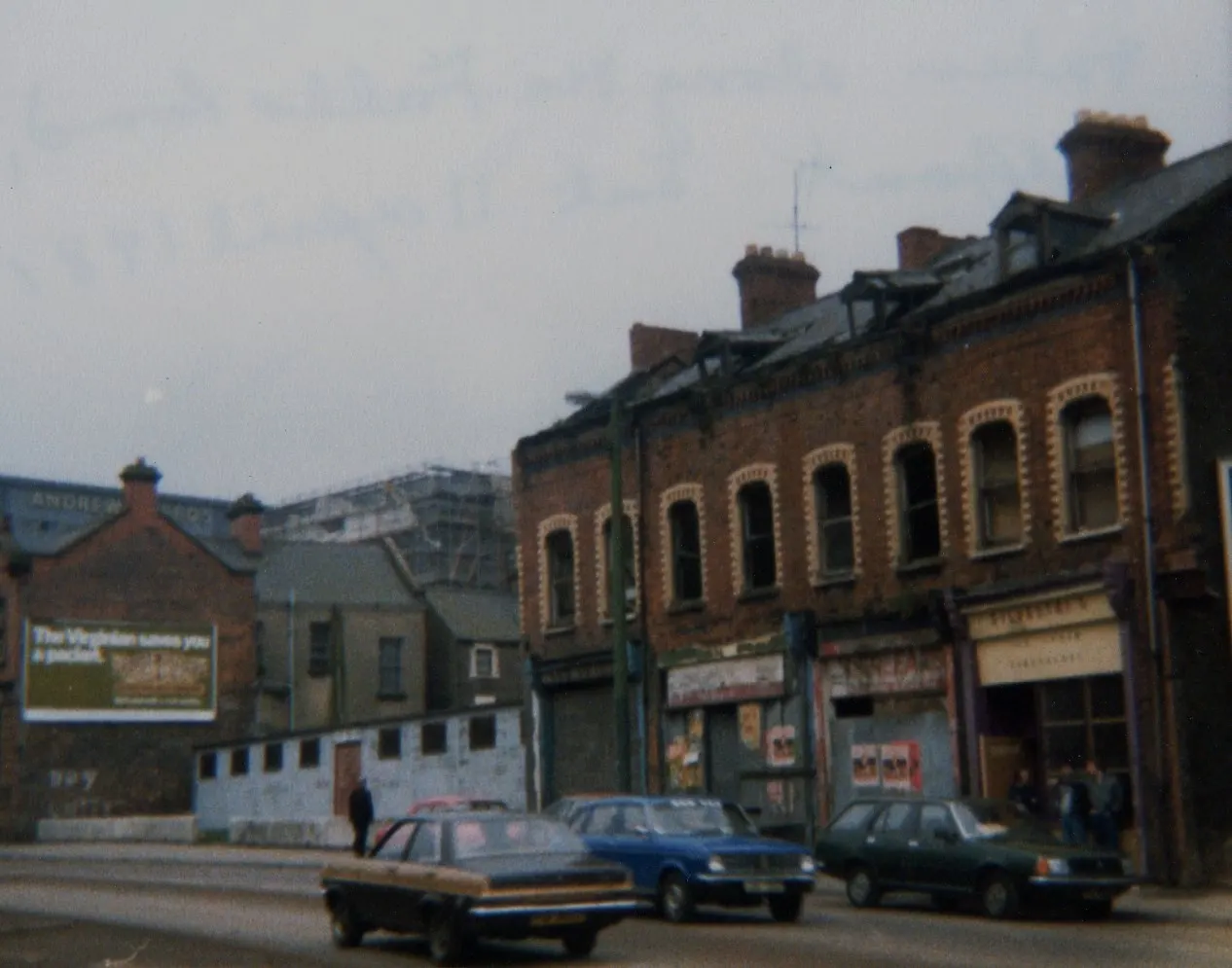
The dramatic early morning release of Clegg from Wakefield jail after Ulster Secretary Sir Patrick Mayhew signed his release license resulted in more than 20 hours of disorder by rioting mobs that toured the streets of nationalist West Belfast and Derry, burning cars, vans and trucks.
Scores of vehicles were hijacked and destroyed and Army bomb disposal teams carried out controlled explosions on suspect cars outside the Royal Ulster Constabulary headquarters in East Belfast and a police station in the city.
For the first time in months, police anti-riot squad officers, wearing bullet-proof flak jackets, were drafted into the most volatile areas.
The IRA and its loyalist foes stayed off the streets during the disturbances and British Prime Minister John Major pledged peace efforts would continue.
Major denied Northern Irish nationalist politicians' allegations that the release of Clegg was a political decision that smacked of double standards because the prisoner was a soldier.
"What has happened to Private Clegg was the end of a judicial process... but the process of looking for permanent peace in Northern Ireland goes on. A lot is happening. We won't let it drop," Major said on a British television newscast.
Cahal Cardinal Daly, Roman Catholic Primate of All Ireland, said Clegg's release was "a grave blunder."
Daly, on an Irish radio show, said the disturbances were a matter for serious concern, but that the decision to release Clegg "showed what I can only call crass insensitivity to separate the case of Private Clegg from that of so many other prisoners.
"There is a compelling case for acting urgently in the case of other victims of the troubles."
The IRA has demanded a general amnesty for its imprisoned members, some of whom have been behind bars for more than 20 years.
"People here find this decision deeply insulting," said Martin McGuinness, a top Sinn Fein party member.
He called the release "disgraceful and despicable."
Speaking on a television news station, McGuinness said the British government had "thrown everything back in our faces, everything that has been achieved."
Convicted paramilitary figures go through the same life-sentence review system, but must serve at least 10 years. Sixteen years is the average.
Britain said the Clegg case had mitigating factors and pointed to an appeal court's conclusion that he should have faced manslaughter, not a murder charge.
Ireland's Prime Minister, Taoiseach John Bruton, issued a terse statement urging similar leniency for about 900 jailed nationalist and loyalist guerrillas.
But Britain has refused to follow Dublin's lead in releasing the guerrillas, saying they have had a fair trial.
White House reaction to the release has led officials to privately note that the move by Britain has created an atmosphere of crisis in the peace process.
Bruce Morrison, former U.S. Congressman and leading American-Irish activist, urged the White House to add its voice to those calling for the British government to begin prisoner releases in Northern Ireland to help end the stalemate in the peace process.
"There appears to be one set of rules for the British army and one set of rules for everyone else caught up in the conflict," Morrison said.
The Clegg case since
Lee Clegg's story did not end at Wakefield. In 1998 the Court of Appeal and then the House of Lords quashed his murder conviction after new evidence suggested the fatal fourth shot had entered the side of the car, not the back. At a retrial in March 1999 he was cleared of murder but convicted of attempting to wound Martin Peake. On 31 January 2000 the Northern Ireland Court of Appeal overturned that too, because the evidence on when the last bullet was fired was uncertain.
He stayed in the army. In 2007 the Daily Mail reported that he would go to Afghanistan in 2008 as a combat medic with the 2nd Battalion, Parachute Regiment. Wikipedia now lists him as a sergeant.
Two details from the later record refine our 1995 report. Karen Reilly was 18, not 17, when she died on 30 September 1990 at a checkpoint on the Upper Glen Road. Wikipedia gives 19 bullets striking the stolen Vauxhall Astra, four of them fired by Clegg. A third passenger, Markiewicz Gorman, had minor injuries.
The wider argument in this story, about prisoners, was settled on paper three years later. Under the Good Friday Agreement of 10 April 1998, both governments committed to early release for paramilitary prisoners whose groups kept a complete ceasefire, and by 28 July 2000, 428 had been freed. Bruce Morrison, quoted here, now co-chairs the Ad Hoc Committee to Protect the Good Friday Agreement. Cardinal Cahal Daly retired as Archbishop of Armagh in October 1996 and died in Belfast on 31 December 2009, aged 92.
Questions readers ask
Why was Lee Clegg released in 1995?
Northern Ireland Secretary Sir Patrick Mayhew released Private Lee Clegg on licence in July 1995, after he had served about two years of a life sentence for murder. The British government pointed to mitigating factors and to an appeal court view that manslaughter, not murder, would have been the right charge. The release set off rioting in nationalist West Belfast and Derry.
Was Lee Clegg's murder conviction overturned?
In stages. His 1993 murder conviction was quashed in 1998 after new evidence about the path of the fatal shot. At a retrial in March 1999 he was cleared of murder but convicted of attempting to wound the driver, Martin Peake. The Northern Ireland Court of Appeal overturned that conviction too on 31 January 2000.
Who were Karen Reilly and Martin Peake?
Karen Reilly, 18, and Martin Peake, 17, were killed on 30 September 1990 when soldiers at a checkpoint on the Upper Glen Road in West Belfast fired on the stolen Vauxhall Astra they were in; 19 bullets hit the car. Peake was driving and Reilly was a passenger. A third passenger, Markiewicz Gorman, suffered minor injuries.
How many prisoners were released under the Good Friday Agreement?
The British and Irish governments committed in the Good Friday Agreement of 10 April 1998 to the early release of roughly 400 paramilitary prisoners, provided their organisations kept a complete and unequivocal ceasefire. By 28 July 2000 a total of 428 prisoners had been released. In July 1995, as this report shows, the release of one soldier had caused riots.