Symons Says: Growing up mixed up
Tommy Symons on a Pennsylvania coal-country boyhood, a Welsh Methodist father, a grandfather from Tipperary, and learning to be Irish from Bing Crosby.
As printed in the Celtic Mirror, March 2003
What's it like to be a Mick in the States?
Well to this 50 something Irish-American 'tis a mixture of things. I grew up in a household that was a rarity in my parts. First of all, me mother was a first generation 18 year old Irish lass married to a Welsh Protestant 20 years her senior. Bad enough she married outside of town, but an older man, a Methodist and worse of all, a Welshman!
She didn't do bad though, her and Pop ended up with four kids, a mortgage and a blue-collar life. We knew all the Popes, all the Kennedy's and all the Crosby's: Bing and his cast of characters. (I still think Father Chuck O'Malley was a real person.) That little old black and white television set, sitting on an old kitchen table in the corner of our "parlor" educated us on our Irish heritage thanks to the Binger, Maureen O'Hara, Barry Fitzgerald and a few others. It might not have been historically correct, but it sure gave us a longing to visit the land where Pop-Pop was born.
Pop-Pop, or "Dapper Dan" to his friends and neighbors, moved back home with my grandmother when I was 11 years old. When the local economy suffered in the fifties, he began traveling farther and farther away from home in search of work.
Usually gone for months at a time, he managed to send enough money home to keep the homestead up and running. He came to "Amerikay" when he was eighteen, leaving Ballingarry on the Commons in County Tipp for the new world.
I guess the coalfields of Pennsylvania weren't quite the streets of gold he pictured back in Ireland. He was the first real "Irishman" I ever met. A brogue as t'ick as molasses in January and a wit as sharp as the straight razor he shaved with. He gave me visions of the Emerald Isle that I still see today. He always wanted to return, but never did. I guess that will be left up to me.
In my part of the world, Irish customs and traditions were cast by the wayside in the late 1880s. I base this on a combination of things: The Know Nothing Party, the Molly Maguires, and an anti-Catholic mood in the country. Maybe this is why the local Irish community assimilated into the good old U. S. of A so quickly. Growing up, we didn't enjoy the flavor of the old country like our eastern European neighbors. Ahhh, how I envied them! Pulsating music, intricate dance and the aromas of exotic foods peculiar to their ethnic background. If it wasn't for Pop-Pop, I'd be telling me own kids that Czardas, polkas and halupkies are part of our Irish heritage!
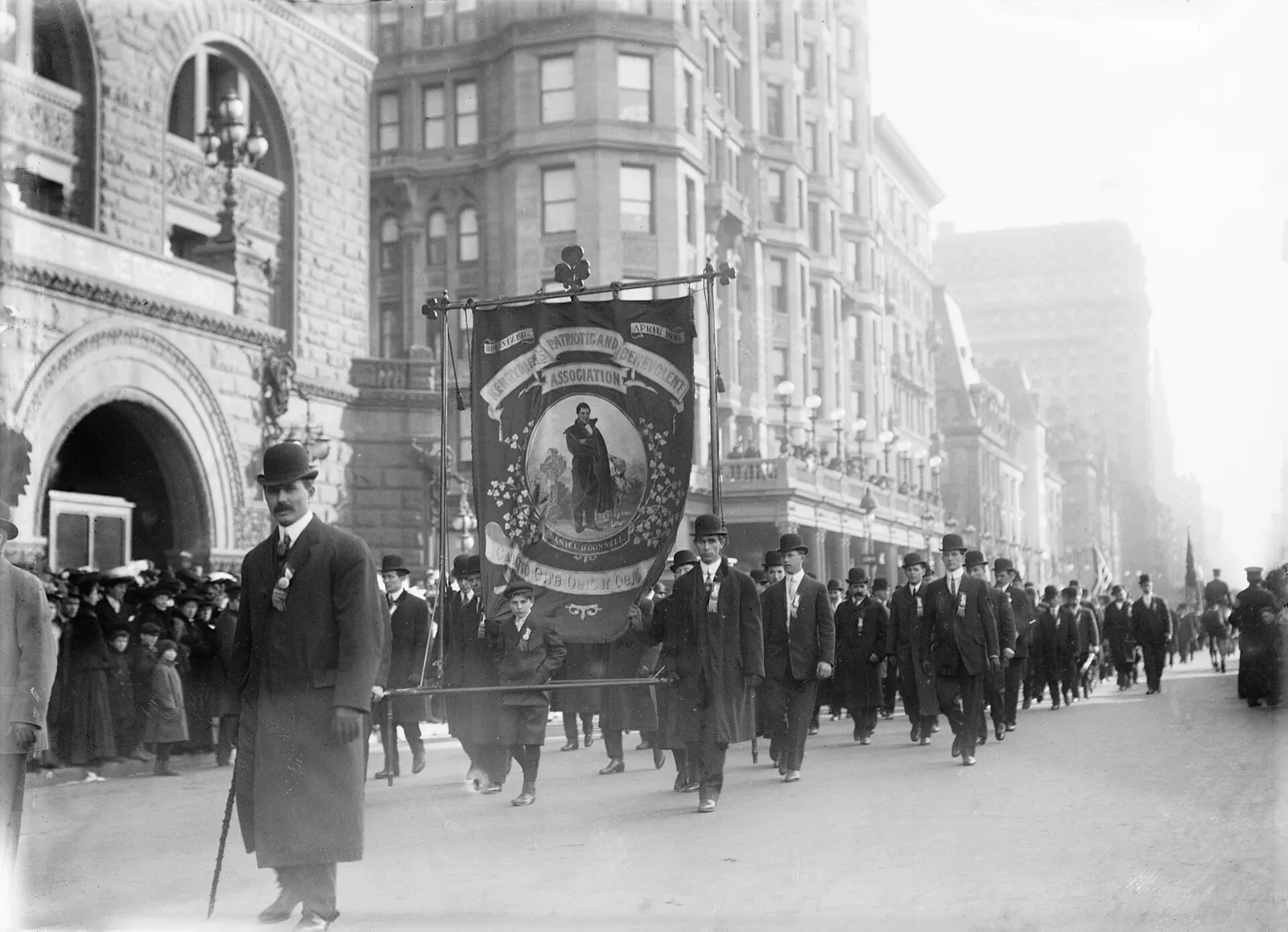
Paddy's Day, or to be more politically correct in the new Millennium, St. Patrick's Day, was usually started with observing Mass. You might say to yourself, "How nice, this little Irish boy wanting to attend church on the feast of his patron Saint," but it wasn't like that at all.
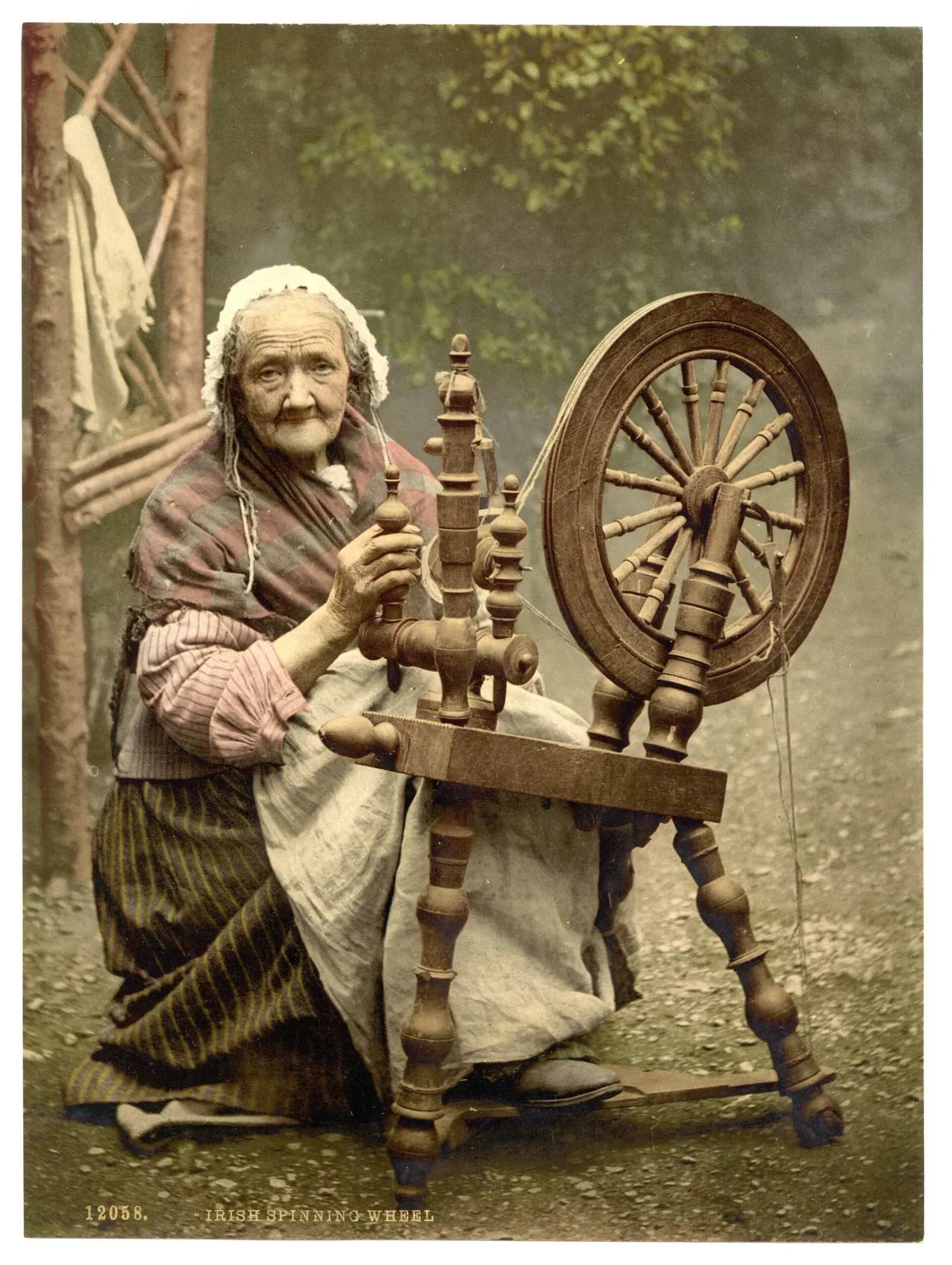
I went to a parochial school and we started every day with Mass, marched across the main street of town under the watchful eyes of the Sisters of St. Joseph. After school, Mom would entertain us with stories of Ireland and leprechauns that she learned from her own parents. She could be heard humming "Too-ra-loo-ra-loo-ra" while making supper (and it wasn't corned beef and cabbage), and her thoughts were probably more attuned to tomorrow's lunch than thoughts of an Irish holiday.
It wasn't until I reached my thirties that I began an earnest search for my Irish roots. Music of the Clancy Brothers, Wolfe Tones, and the Chieftains were indeed a treat. Irish ceili dance lessons (even with me tired "old" knees) led me down a road that is still being traveled. Radio shows, mandolins, poetry and even columns in Irish newspapers became the norm.
I met more and more people who grew up in similar circumstances from all over the country. I enjoy being an Irish-American. I don't care to argue politics, but if pushed, will do my best to convince everyone in earshot why Ireland should be free and united (whether they want it or not). I enjoy Notre Dame football, win or lose. I'll dance a reel or a jig at my pace, not Michael Flatley's (but secretly dream of meself in his shoes), and I'll sing my songs, with or without any resemblance of being in key.
I might enjoy a "bit of Bailey's" on a special occasion but shy away from the grog only because I choose to. I resent the "drunken, lazy Irishmen" caricatures that often pop up around the beginning of March and dread meeting a real leprechaun if they look anything like those ads in the newspapers. All in all, to quote that famous Irish sailor Popeye: "I yam what I yam, and dat's all what I yam!" (Popeye is Irish 'cuz his theme song is "The Sailor's Hornpipe" and that's good enough for me.)
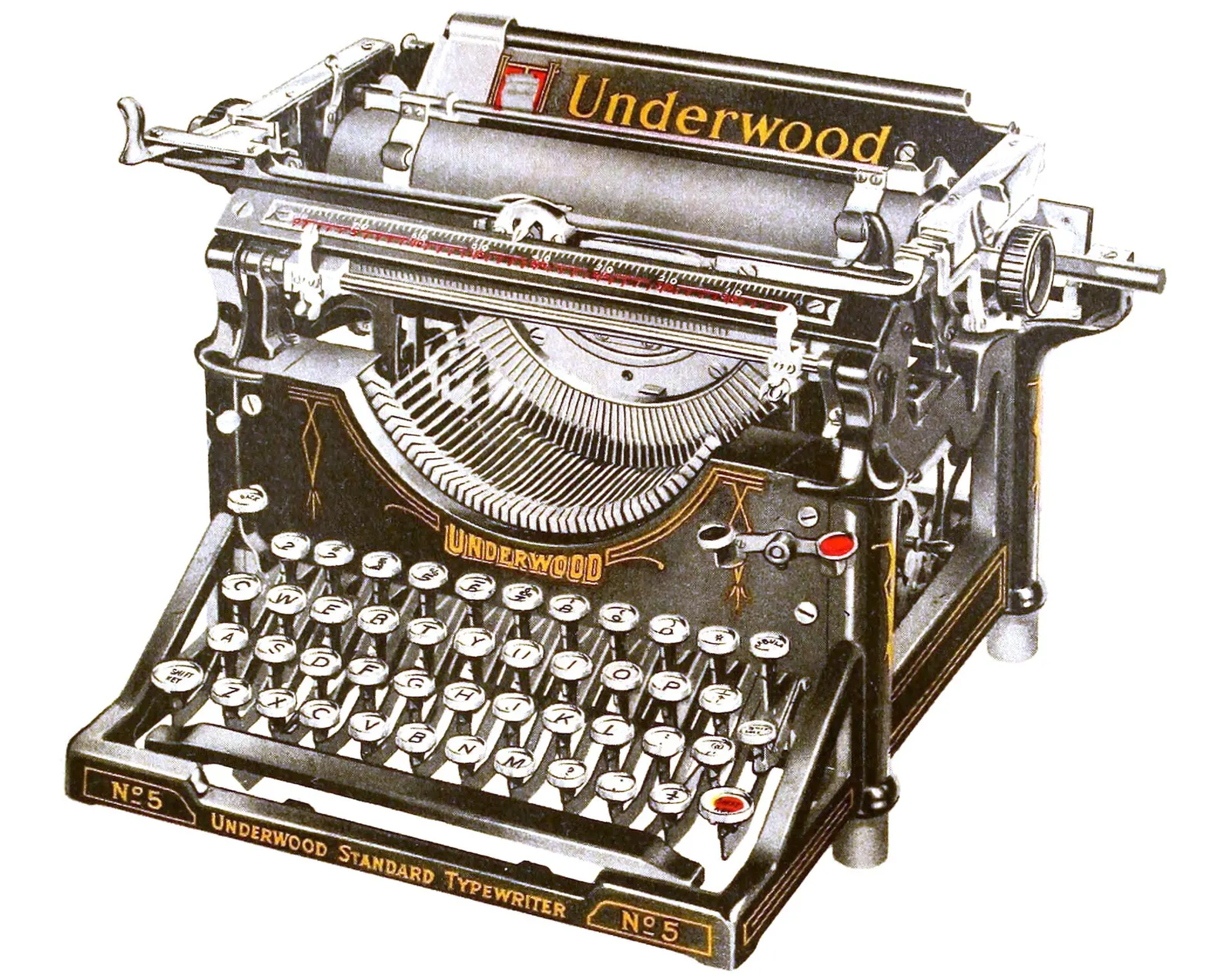
You're reading this column today due in part to two folks that I had the pleasure to work with before: Joanie Farrell and Hugh Dougherty. T'anks for convincing me I needed to dust off me typewriter. I needed this. Until next month, God bless and safe home.
The places behind the column
Tommy Symons wrote "Symons Says" in the Celtic Mirror's first run, from the 1990s until the magazine paused in 1998, and this was his return column for the March 2003 relaunch. Most of what he describes can be checked, and most of it checks out.
Father Chuck O'Malley was not a real person, sorry to say. Bing Crosby played him in "Going My Way" (1944), the story of a young priest sent to a struggling New York parish, with Barry Fitzgerald as the old pastor. The film won seven Academy Awards, including Best Picture, Best Actor for Crosby and Best Supporting Actor for Fitzgerald, and Crosby played O'Malley again in "The Bells of St. Mary's" in 1945. The lullaby his mother hummed, "Too-Ra-Loo-Ra-Loo-Ral," is the one O'Malley sings to put the old priest to sleep.
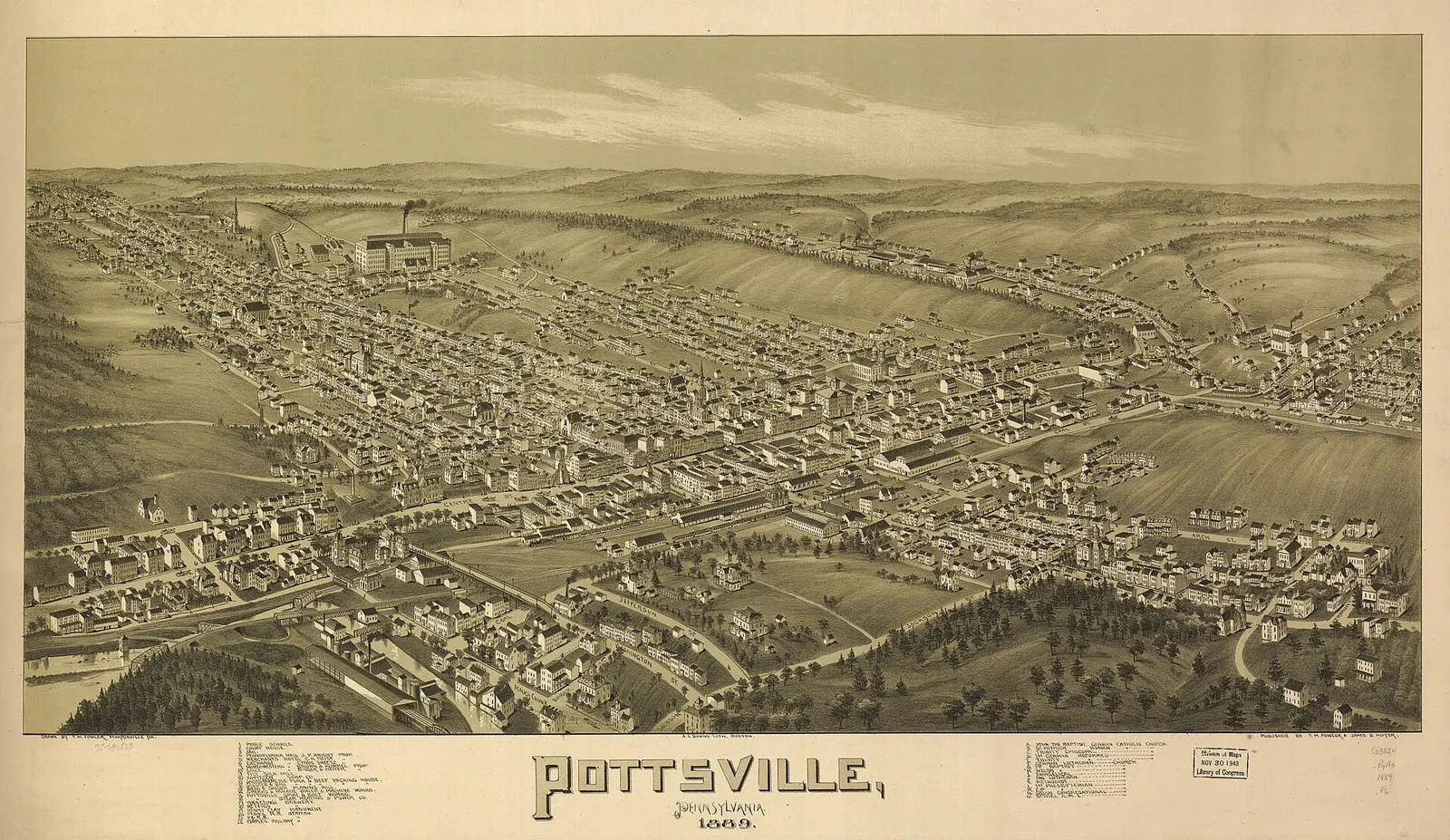
The Molly Maguires he blames for the local chill were real, and so was the backlash. On 21 June 1877 six men were hanged at the prison in Pottsville and four at Mauch Chunk; twenty in all went to the gallows in 1877 and 1878, many convicted on the testimony of the Pinkerton detective James McParland. In 1979 Governor Milton Shapp granted a posthumous pardon to John "Black Jack" Kehoe.
There are two Ballingarrys in Tipperary. The southern one, near the Kilkenny border, lived on coal mining for nearly two centuries, which would make the Pennsylvania coalfields a natural next stop. It is also where the Young Irelander rising began on 29 July 1848.
And Popeye. E. C. Segar's sailor first turned up in the "Thimble Theatre" strip on 17 January 1929, and "The Sailor's Hornpipe" has long been used to introduce his theme song, which Sammy Lerner wrote in 1933. On 1 January 2025 that first strip entered the American public domain. Whether that makes him Irish is between Mr. Symons and the sailor.
Questions readers ask
Who played Father O'Malley in Going My Way?
Bing Crosby played Father Chuck O'Malley in "Going My Way" (1944), a young priest sent to St. Dominic's parish in New York, opposite Barry Fitzgerald as the elderly pastor Father Fitzgibbon. The film won seven Oscars, including Best Picture, and both actors won. Crosby returned as O'Malley in "The Bells of St. Mary's" in 1945.
Who were the Molly Maguires in Pennsylvania?
The Molly Maguires were a 19th-century Irish secret society, best known for their activism among Irish and Irish-American coal miners in Pennsylvania, where suspected members were convicted of murder after a series of often violent conflicts. Twenty men were hanged in 1877 and 1878, including six at Pottsville and four at Mauch Chunk on 21 June 1877. In 1979 Governor Milton Shapp pardoned John Kehoe posthumously.
What song is 'Too-Ra-Loo-Ra-Loo-Ral'?
"Too-Ra-Loo-Ra-Loo-Ral" is an Irish lullaby made famous by Bing Crosby, who sings it as Father O'Malley in the 1944 film "Going My Way" to put the old pastor, played by Barry Fitzgerald, to sleep. Crosby also recorded it for the film's soundtrack, and the film's success carried it into Irish-American homes, as Tommy Symons remembers from his mother's kitchen.
When was Popeye created?
Popeye was created by the cartoonist E. C. Segar and first appeared on 17 January 1929 as a minor character in the daily comic strip "Thimble Theatre," syndicated by King Features. Sammy Lerner wrote "I'm Popeye the Sailor Man" in 1933, and that first strip entered the US public domain on 1 January 2025.
Where is Ballingarry in Tipperary?
County Tipperary has two places called Ballingarry. Ballingarry in South Tipperary is a village near the Kilkenny border, long dependent on coal mining and known as the site of the Young Irelander rising of 29 July 1848. A separate Ballingarry in North Tipperary lies on the N52 between Borrisokane and Birr.