Morgan Llywelyn
The front page of the Celtic Mirror's 2003 Morgan Llywelyn feature, restored, with a reader's guide to the novels that came before and after it.
As printed in the Celtic Mirror, March 2003
Considered one of the finest modern writers of historical fiction, Morgan Llywelyn has spent more than two decades chronicling the Celts, Irish history and breathing life into Celtic mythology.
Llywelyn describes herself as a historical novelist specializing in the Celtic culture; however, that is indeed an understatement. Llywelyn has been a driving force to illuminate near forgotten figures of ancient times to assure that they will not disappear from modern-day Celtic culture and literature. The men and women in her novels bring Celtic history to life owing to Llywelyn's craft and her scrupulous knowledge of ancient Irish history.
A prolific writer, Llywelyn has written more than 20 works of adult and juvenile fiction and several short stories and novellas. She also teamed up with Irish fantasy writer Michael Scott to co-write four novels.
Born in New York City of Irish and Welsh-Irish parentage, Llywelyn is now an Irish citizen and lives in Ireland year round. In addition to writing, Llywelyn is proactive in advancing the cause of writing as a profession and she is chairman of the Irish Writers' Union. In 1999, she received the Exceptional Celtic Woman Award from the Celtic Women International, Ltd.
Books featured in this section
- 1916: A Novel of the Irish Rebellion
- 1921
- Lion of Ireland
- Red Branch
- Druids
- Strongbow: The Story of Richard and Aoife
- Irish Magic: Four Tales of Romance and Enchantment from Four Acclaimed Authors
- A Pocket History of Irish Rebels
- The Horse Goddess
- The Last Prince of Ireland
- Bard: The Odyssey of the Irish
- The Wind from Hastings
- Brian Boru: Emperor of the Irish
- The Isles of the Blest
- Finn Mac Cool
- The Elementals
In this feature
- Interview: Visiting Morgan Llywelyn's World, on writing "1916"
- Interview: Morgan Llywelyn talks, with pride, of 'Lions'
- Review: "1916"
- Review: "Pride of Lions"
- Review: "Finn Mac Cool"
Reading her shelf in 2026
This page was the front door to a small Llywelyn festival the magazine ran when the reading room went back online in March 2003. Five pieces hung off it: two interviews by Thomas Larkin and three reviews, two of them by Christine Goldbeck. We have restored all five, and each carries its own note. This one is for the shelf as a whole.
The facts first. Wikipedia records her birth as Sally Snyder, in New York, on 3 December 1937. She trained and competed in horse shows and narrowly missed the 1976 United States Olympic team in dressage, by 0.05 percent of the cutoff score. After her parents and her husband died in 1985 she moved to Ireland, settled outside Dublin and took Irish citizenship. That is the woman behind the "Irish citizen" line above.
The novels arrived in a long, steady line. Lion of Ireland, her Brian Boru book, came out in 1980. The Horse Goddess followed in 1983 and Bard: The Odyssey of the Irish in 1984. Finn Mac Cool appeared in 1994 and Pride of Lions in 1996. Then came the modern run: 1916 in 1998, 1921 in 2001, 1949 in 2003, 1972 in 2005 and 1999 in 2008. The last of those reaches the peace process and the Celtic Tiger, the years this magazine itself was reporting.
The children's books matter more than American readers tend to think. Brian Boru: Emperor of the Irish won a Bisto Award in 1991. Strongbow won a Bisto Award for historical fiction and the Reading Association of Ireland Award in 1993. In the 1916 interview she complains that an American agent wanted to sell those same books as adult titles. Irish judges read them the way she meant them.
Other honours came from the diaspora side. The Horse Goddess won Novel of the Year from the National League of American Penwomen, and Bard earned her a Woman of the Year award from the Irish-American Heritage Committee, presented by Ed Koch when he was mayor of New York. The 1999 Exceptional Celtic Woman award mentioned above is on the record too.
One caution for anyone using this archive as a source. Some details in the 2003 page, such as the Irish Writers' Union chair and the four collaborations with Michael Scott, come from the magazine and the publicity of the time. We have left them as printed. We have not been able to check them against an independent reference, so treat them as the 2003 record rather than settled fact.
Start with Lion of Ireland if you want the Llywelyn that the Celtic Mirror's readers fell for. Start with 1916 if you want the novelist who argued, over lunch in Philadelphia, with the revisionists.
Questions readers ask
Is Morgan Llywelyn Irish or American?
She was born Sally Snyder in New York City on 3 December 1937, of Irish and Welsh-Irish descent. After the deaths of her parents and her husband in 1985 she moved to Ireland, settled outside Dublin and became an Irish citizen. So the author of Lion of Ireland (1980) was American-born, and most of her later novels, including the 1916 series, were written as an Irish resident.
In what order do Morgan Llywelyn's 1916, 1921 and 1949 novels go?
Publication order is reading order. 1916: A Novel of the Irish Rebellion came out in 1998, followed by 1921 in 2001 and 1949 in 2003. She later extended the run with 1972 in 2005 and 1999 in 2008, five novels in all, carrying readers from the Easter Rising through independence and the republic to the Troubles and the peace process.
What is Morgan Llywelyn's best known book?
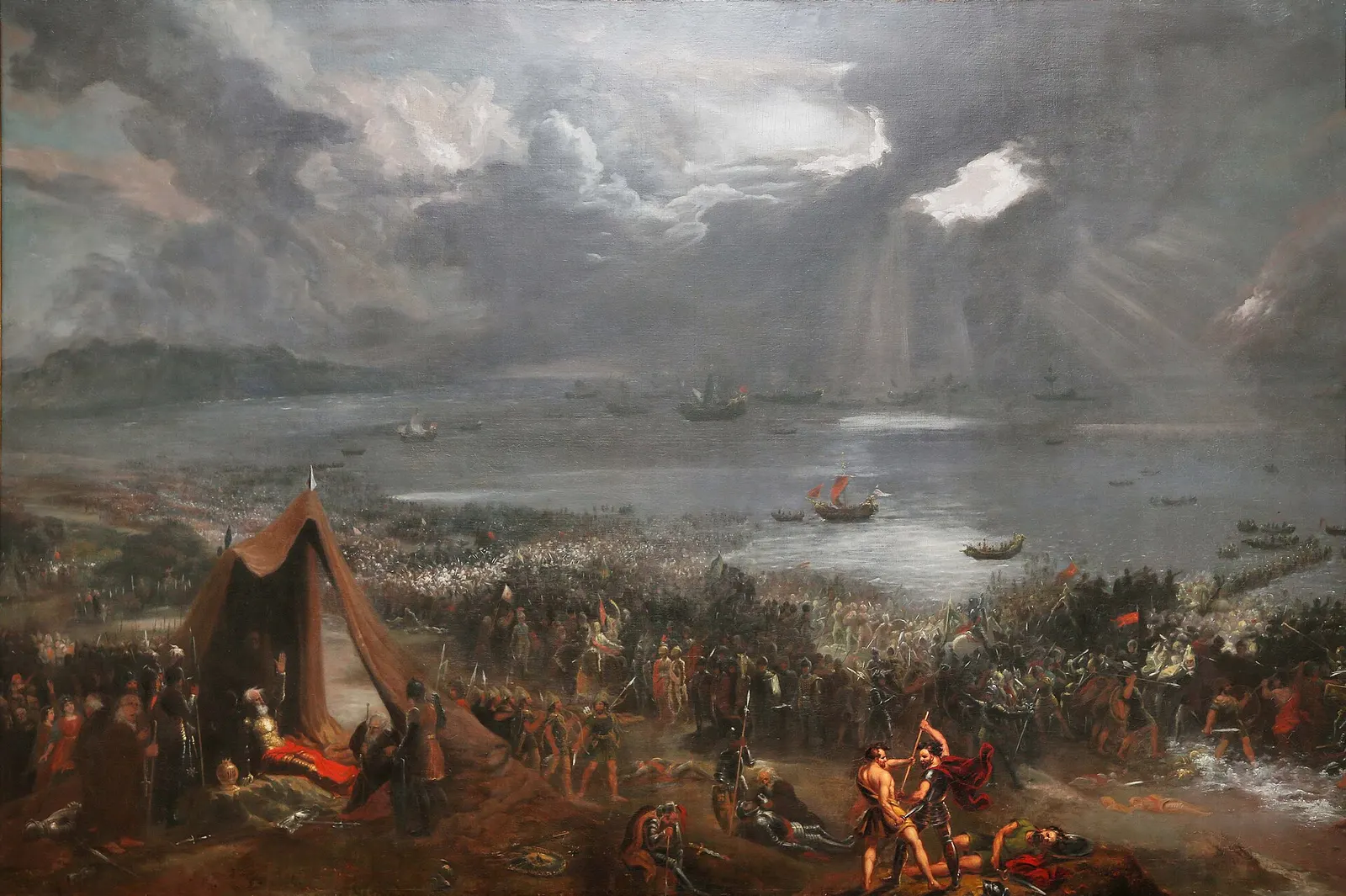
Lion of Ireland, published in 1980, is generally treated as her breakthrough; this magazine's review of Pride of Lions called it the book that launched her career. It tells the story of Brian Boru, High King of Ireland from 1002 until his death at the Battle of Clontarf on 23 April 1014. She returned to his family in Pride of Lions in 1996.
Did Morgan Llywelyn try out for the Olympics?
She came very close. Before she became a novelist she trained and competed in horse shows, and she narrowly missed a place on the 1976 United States Olympic team in dressage. Wikipedia puts the gap at 0.05 percent of the cutoff score. Reviews in this magazine in the 1990s described the same miss as half a point.